The Tapes: What Did the Committee Know and When Did They Know It?
I had just finished middle school that summer during the 1973 Watergate hearings, and I remember the astonishment at the revelation of the tapes by Alexander Butterfield. But my memory of this event is comically wrong, and if you had asked me what I recalled before I researched this article, it would have gone something like this:
Fred Thompson: So you assisted in the running of the Oval Office?
Alexander Butterfield: Yes, sir, that is correct.
Thompson: What were your duties there?
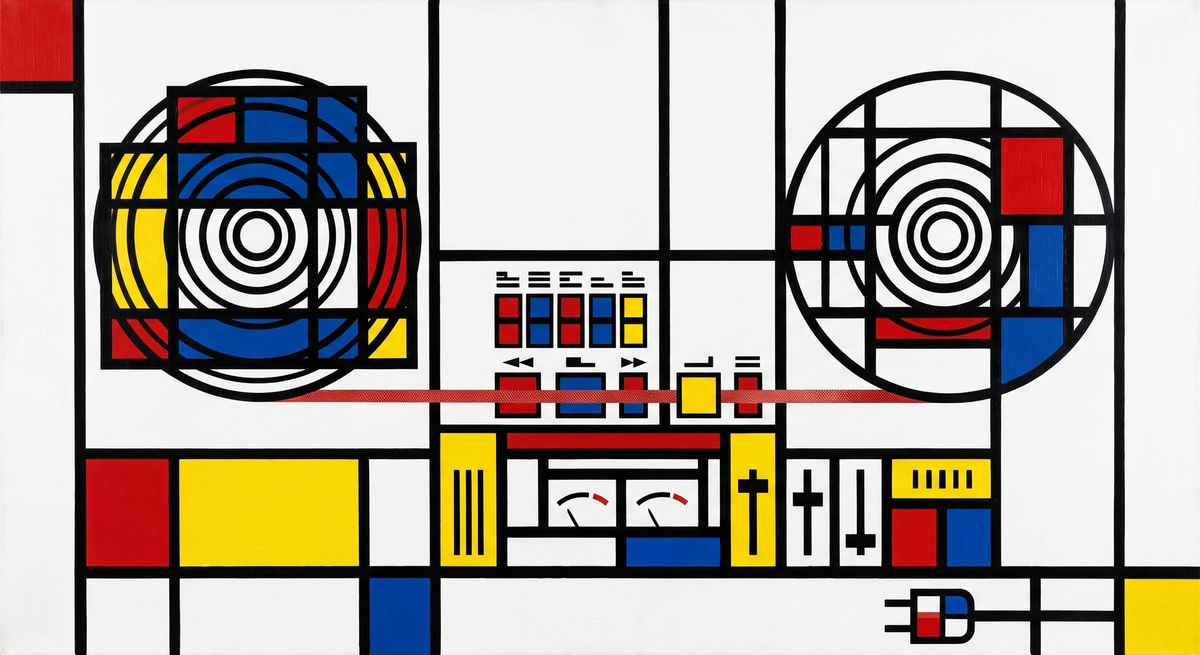
Butterfield: To make sure things worked. But I had to be careful because there were so many interesting things in the Oval Office. For example, I almost spilled coffee on the tape machine...
Thompson: Excuse me, sir, did you say tape machine?
Butterfield: Yes, that is correct. The President has a tape machine in the Oval Office.
Thompson: [No response, mouth agape.]
Butterfield: And it’s a beaut, too. The President is a busy man, so we set it up so it’s voice-activated. Everything you want to know is on those tapes.
Thompson: Everything?
Butterfield: Yes, sir, everything.
Thompson: (turns to the rest of the committee, all with mouths agape) Well, gentlemen, looks like we’ve got our work cut out for us.
However, that is not at all how it happened. What actually happened on June 20, 1973 startled me, confronting my false memory with significant dissonance:
Thompson: Mr. Butterfield, are you aware of the installation of any listening devices in the Oval Office of the President?
Butterfield: I was aware of listening devices, yes sir.
What? Fred Thompson knew about the tapes before the revelation? What about the the others on the committee? What did they know and when did they know it?
Apparently, they did know and did know when. The answers were uncovered through clever detective work and careful research into the evidence by lower-level staff investigators. The first hint of a tape recorder came from John Dean’s closed-door testimony (before his famous public testimony) where he suspected the president was taping him. The committee members and staff did not immediately know if Dean was right, or if Nixon had simply used a hidden pocket recorder or a single desktop dictation unit for that specific conversation. However, Dean's remark pushed the investigation in a different direction.
Further examination uncovered documents that were too detailed to have been written from memory, implying that a tape recording device had been used. In a closed session on July 13th, seven days before the public revelation of the tapes, Alexander Butterfield, the top deputy to the Chief of Staff, was called in for an interview because he was familiar with President Nixon’s day-to-day operations. Based on the committee’s suspicions, investigators asked a pointed question referring back to Dean’s closed-door meeting. According to the contemporaneous summary of the interview, Mr. Butterfield confirmed the existence of the tapes:
There is tape in the Oval Office. This tape is maintained by the Secret Service, and only three (3) Secret Service Men knew about it initially, now four know about it. The system was installed 2 1/2 years ago…the President is very history oriented and history conscious about the role he is going to play.
These revelations unleashed a hornet’s nest of legal problems. The prosecutor had a way to corroborate evidence, but President Nixon believed the tapes and other documents produced during his tenure were personal property, a concept dating back to George Washington. As we all know, the prosecutor prevailed, setting the stage for President Nixon’s resignation in August 1974.
So there it is: a reality much less dramatic than what I remembered. Apparently, until reading about this, the “what” and “when” of this affair were completely misremembered. I really thought the tape’s revelation was much more of a dramatic moment than it was. Since the adults around me reacted with unadulterated shock, I naturally added that shock to my memory. And television didn’t help at all. I’m sure I had seen courtroom drama from various shows, and I most likely borrowed the drama in reconstructing my memory. And who wants an anticlimax anyway—a fait accompli? Butterfield’s matter-of-fact manner as he told all added to the discontinuity of the situation. After weeks of he-said/she-said speculation, how could such an explosive revelation be so banal? My mind simply decided not to cooperate and instead it manufactured something more exciting. History may indeed be built on careful record keeping and paper trails, but memory, especially that of a 14-year-old, demands good theater.