Whose Truth Is It Anyway?
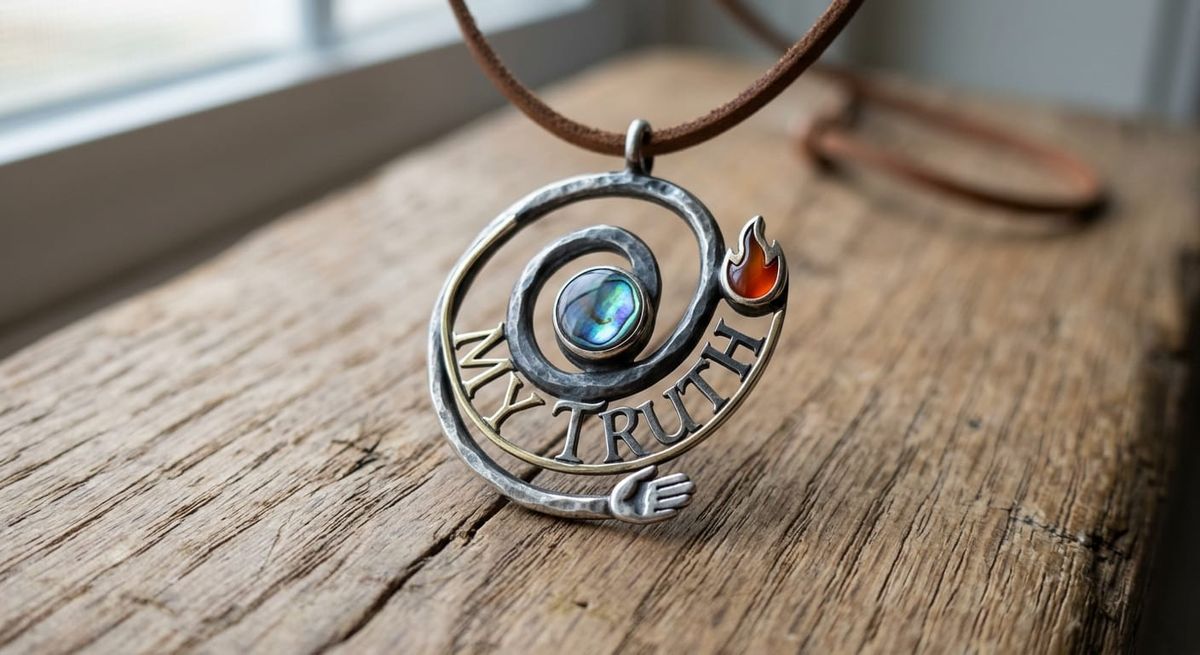
I was at a wedding a while back, and during the reception, I was seated with the peers of the newly betrothed. I often enjoy the opportunity to converse with the younger set and was looking forward to enjoying the reception. At the table, amongst others, were Joshua and Bryanna—with a “y” and a double “n,” details that she really needed all of us to know. Joshua was tall and wearing a suit with a red tie, which somehow made him look more muscular. Bryanna clearly was the artistic type, wearing a nose ring and a tattoo on her left shoulder of some symbol unknown to me. We talked about the wedding, the people we had in common, and offbeat stories about the bride and groom.
But as the conversation drifted, as so often happens, more serious topics emerged. Soon we found ourselves talking about loss, perversely inspired by the promise of a new beginning that this wedding represented.
“My cat recently died,” Bryanna offered as supporting evidence. “Everyone expects me to be over the loss by now because it’s been two years, but my truth, guided by my lived experience, has taught me that grief doesn't have an expiration date, and I still miss him every single day.”
Joshua dropped his fork with an audible clank. Everyone looked his way, surprised. Joshua’s reaction seemed quite callous after hearing someone open up and express genuine sorrow.
“That’s interesting, very interesting,” Joshua muttered, as if talking to himself. Then suddenly he looked up and glared at us.
“You know, that’s my truth,” he stated emphatically.
“Your truth?” Bryanna responded.
“Yes, my truth.”
“No, it’s my truth,” she said, perplexed. “It’s my lived experience.” If there were captions, a registered trademark symbol would have followed “lived experience.”
“No, Bryanna with a ’y,’ that’s my truth!”
“That’s insane! How can my truth be your truth?”
“Because it’s mine! It’s guided by my lived experience and since I am the one doing the living, it’s my truth.”
“Wait a minute! You can’t do that!” Bryanna’s perplexity was now anger.
“I can and will, because it really is my truth!” insisted Joshua. “I don’t happen to have a dead cat lying around, but my grief definitely does not have an expiration date.”
Seeking a way to defuse these tensions, which threatened to mar the general festivities, I offered the following.
“Perhaps both of you could, maybe, share your truths?” I uptalked.
“Are you mad?” declared Bryanna. “Then it becomes an objective truth, vague and completely useless. Only a person’s lived experience can reveal true truth!”
“Exactly!” Joshua said. “And you, Bryanna, must stop using my truth because you obviously haven’t had my lived experience! What has the world come to when one’s very own truth is challenged by someone else!”
“Because it’s my truth. And my grief follows me every day!” insisted a defiant Bryanna.
“And now you are about to experience even more grief! I happen to be a lawyer, you know. Consider yourself sued!”
Joshua angrily threw down his firm’s business card, the modern-day equivalent of a gauntlet. And before my very eyes, a new litigation theory was born, challenging truth itself. Granted, exploiting the truth wasn’t exactly a novel concept in a courtroom. Still, I was taken aback by this sudden revelation and could only think of a similar situation that I had once faced.
“You know,” I blurted out, “Death himself tried to sue me once.”
This fell on deaf ears, as they were so involved in their imbroglio. They continued their gainsaying of whose truth was whose, all to the astonishment and embarrassment of the other people at the table. Mercifully, it soon ended, with Joshua making his final threat.
“You’ll be hearing from me and my firm. As a lawyer, defending truth is my purpose—especially my truth!” Then he stormed out.
This definitely put a damper on the party, and we soon took our leave, with the customary, if now awkward, pleasantries. On the way home, I remembered a quote from Francis Bacon, the wry opening to his essay Of Truth:
What is truth? said jesting Pilate, and would not stay for an answer.
If only Pontius Pilate had encountered Bryanna or Joshua. He might then have gotten his answer.